Compassionate LGBT Counselling Programs: Supporting Your Journey to Well-Being
Compassionate LGBT counselling programs play a crucial part in promoting psychological wellbeing and self-development within the population. These programs create a secure environment for individuals to examine their identities and face social expectations. By utilizing customized therapeutic techniques, patients can build strength and self-worth. Understanding the impact of these services raises significant inquiries about their effectiveness and the life-changing outcomes they can provide. What changes might occur for those who pursue this support?
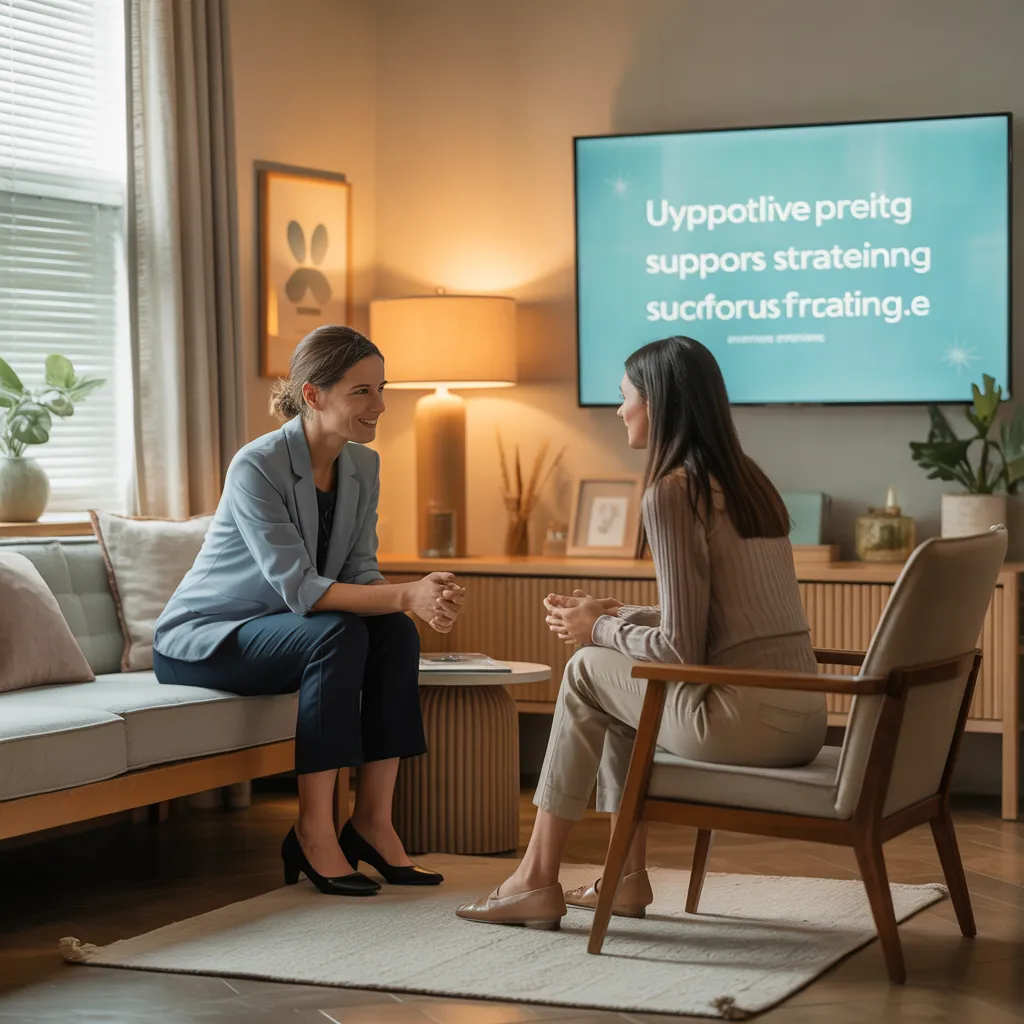
Why LGBTQ Mental Health Support Counts
LGBT counselling functions as an vital tool in tackling the unique challenges experienced by people within the community. It provides a safe and affirming environment where clients can explore their sense of self, emotions, and encounters without fear of judgment. These services are intended to validate diverse sexual preferences and gender identities, fostering a feeling of inclusion and understanding.
Counsellors trained in LGBT issues utilize culturally competent approaches to better understand the subtleties of clients' experiences. This tailored approach not only enhances psychological wellbeing but also empowers people to manage social demands, interpersonal relationships, and personal growth.
Moreover, LGBTQ+ therapy can help create coping strategies for anxiety, stress, and depressive symptoms, which may stem from discrimination or feelings of isolation. By prioritizing mental health, these services serve as a crucial factor in enhancing the general well-being for LGBTQ+ individuals, promoting resilience and self-acceptance.
Barriers Affecting the LGBT Community
While advancements have occurred in numerous sectors, the LGBT community still faces significant obstacles. Discrimination remains pervasive, affecting multiple aspects of life, encompassing employment, healthcare, and housing. Numerous individuals experience discrimination and bias, which causes heightened anxiety and depression. Moreover, the lack of comprehensive legal protections in certain regions worsens these issues, making members of the community vulnerable to harassment and violence.
Mental health problems are especially marked, as individuals often contend with internalized homophobia and societal rejection. Social isolation can intensify these issues, as supportive networks may be sparse or non-existent. Moreover, access to culturally competent healthcare providers is regularly deficient, leaving many without essential resources.
Overcoming these challenges demands strong determination and support, highlighting the need for increased awareness and targeted interventions to promote acceptance and inclusivity. Addressing these obstacles is vital for the general health and welfare of the LGBT community.
Find Out What Your Therapy Session Will Entail?
During an LGBTQ counseling session, the initial assessment process is essential for comprehending the client's distinctive needs and experiences. This fundamental stage establishes the foundation for the therapeutic techniques that will be employed throughout the process. Clients can anticipate a customized method that emphasizes their individual situations and objectives.
First Evaluation Workflow
The foundational assessment procedure serves as a important element for fruitful counselling interactions. In this interval, clients are encouraged to convey their challenges, situations, and aspirations in a welcoming, protective atmosphere. The therapist carries out a careful evaluation, securing vital information about the client's background, mental health narrative, and current issues. This communication attempts to strengthen rapport and understanding, assisting clients to experience they are valued and seen. Moreover, the therapist may discuss the client's goals and expected benefits from the therapeutic experience. By developing a deep understanding of the client's needs, the foundational assessment establishes the framework for personalized assistance and effective care, confirming that clients feel capable and empowered on their progression to well-being.
Healing Practices Leveraged
Counselling meetings incorporate a mix of therapeutic techniques tailored to meet each patient's particular needs. Approaches such as CBT help clients dispute and reframe unproductive thinking, fostering healthier perspectives. Narrative therapy invites individuals to explore and reshape their lived experiences, developing self-identity and empowerment. Additionally, mindfulness-centered methods facilitate emotional regulation and consciousness of the present, enabling clients in managing unease and hardship. Supportive techniques, incorporating receptive listening and empathy, create a nurturing space for open dialogue. Collective therapeutic work may also be activated, developing community and common bonds among clients. Each technique is precisely determined to address specific challenges faced by LGBT individuals, confirming a meticulous and sympathetic approach to their emotional wellness and health.
How LGBT Counselling Tackles Common Difficulties
While moving through a world often laden see guide with discrimination and misunderstanding, many persons within the LGBT community experience unique emotional and psychological challenges. LGBT counselling addresses these issues by delivering a safe, affirming space where clients can articulate their feelings without fear of judgment. Counselors are skilled to understand the complexities of identity, including coming out, relationship dynamics, and societal pressures.
Using individualized healing techniques, such as cognitive-behavioral therapy and narrative therapy, clients delve into their thoughts and experiences, fostering fortitude and self-regard. The focus on personal power helps individuals navigate internalized stigma and external discrimination, fostering healthier coping mechanisms.
In addition, LGBT counselling often incorporates conversations centered on intersectionality, acknowledging how distinct identities interact, shaping emotional well-being. By addressing these prevalent struggles, counselling supports clients in fostering a more solid personal identity and community, ultimately advancing their journey toward well-being and fulfillment.
Choosing the Best LGBT Mental Health Professional to Suit Your Preferences
Directing the course toward mental wellness often means seeking the right support. For persons within the LGBT community, selecting a advisor who acknowledges their singular experiences and hurdles is essential. Critical considerations include the advisor's skills, track record, and familiarity with LGBT topics.
Prospective clients should seek professionals who have a foundation in gender and sexual diversity, ensuring they can navigate complicated emotions and societal pressures effectively. Word-of-mouth recommendations, online reviews, and practitioner listings can be useful tools in this search.
Additionally, an initial consultation may assist in assessing compatibility; it provides an chance to consider the counsellor’s approach and communication style. Feeling protected and understood is vital, so clients should heed their instincts regarding the connection established. Ultimately, the right LGBT counsellor can greatly improve the therapeutic experience, fostering growth and resilience on the path to well-being.
Success Stories: Transformative Benefits of LGBT Guidance
LGBT counselling has served as a turning point for self-development, enabling individuals to explore and accept their identities. Many have shared experiences of conquering significant obstacles and finding a sense of inclusion within supportive communities. These tales of triumph highlight the deep influence counselling can have on the lives of LGBTQ+ individuals.
Personal Evolution Voyages
Counselling can stand as a major influence for self-development, especially in the LGBT community, where individuals often manage distinctive obstacles. Many clients report substantial changes after participating in therapeutic sessions. For instance, one individual gathered the strength to accept their identity, causing greater self-regard and better relationships. Another client learned to create boundaries, cultivating crucial skills for both personal and work contexts. These journeys underscore the impact of personalized counselling approaches, stressing compassion and respect. By communicating understanding and knowledge, individuals not only cultivate resilience but also motivate people facing similar struggles. Such success stories emphasize the importance of empathy in therapy, demonstrating that self-development is achievable and can lead to a fulfilling life.
Managing Individual Hurdles
Navigating identity difficulties can be a daunting journey, yet counselling often offers a transformative pathway for many individuals. Clients often report major shifts in their self-perception and acceptance through therapeutic support. For example, one client learned to acknowledge their identity after struggling with internalized stigma, eventually finding empowerment in their uniqueness. Another client, who faced familial rejection, developed coping strategies that built resilience and self-love. These success stories emphasize the vital role LGBT counselling plays in promoting personal growth and healing. By addressing feelings of isolation and confusion, counselling assists individuals in developing a stronger sense of self, laying the groundwork for a rewarding life rooted in authenticity and acceptance.
Building Supportive Communities
Many people have found that forming supportive communities can greatly enhance their journey towards acceptance and belonging. These communities often function as secure environments where members can share experiences and challenges without concern of judgment. Success stories are plentiful, illustrating how collective support fosters strength and empowerment. For instance, one person described how joining a local LGBT group provided not only friendship but also essential resources for mental health. Another participant recounted attending workshops that led to notable personal growth and confidence. Through these shared experiences, individuals often discover a sense of identity and purpose, reinforcing the idea that connection and understanding can transform lives. Ultimately, supportive communities play an important role in promoting well-being within the LGBT population.

Additional Tools for LGBT Therapy and Guidance
While addressing the challenges of life, individuals within the LGBT community often search for additional resources to improve their psychotherapy experiences. Numerous organizations extend care suited to their specific needs. Online platforms, such as forums and chat rooms, afford a safe space for discussing experiences and advice. Local LGBT centers regularly conduct workshops, support groups, and social events, cultivating community connections.
Furthermore, learning materials, such as books and articles, can improve understanding of personal issues and societal challenges. Hotlines operated by trained professionals provide immediate assistance for those in crisis. In addition, mental health apps specifically designed for the LGBT community can provide coping strategies and meditation practices.
Often Requested Questions
How Do I Identify if Counselling is Right for Me?
People may need counseling if they experience persistent feelings of melancholy, stress, or confusion, struggle with personal connections, or face significant life changes. Identifying these signs can assist in establishing the necessity of obtaining professional support.
How Does LGBT Counselling Contrast With Traditional Therapy?
LGBT therapy often addresses particular cultural, identity, and community-focused issues that traditional counselling may overlook. It establishes a safe, affirming space for people to explore their experiences, promoting comprehension and self-development specific to their identities.
What Qualifications Should I Look for in a Counsellor?
When looking for a therapist, one should emphasize qualifications such as relevant degrees, licensure, expert instruction in LGBT issues, experience in the field, and a demonstrated commitment to understanding varied sexual orientations and gender expressions.
Is Online Therapy Offered for You?
Yes, virtual therapy sessions are available. Many professionals provide virtual appointments, delivering convenience and ease of access. It's essential for individuals to verify that their chosen therapist is qualified and experienced in delivering effective virtual assistance.
How Private Is LGBT Therapy?
LGBT counselling programs stress privacy, ensuring that clients' identities and discussions stay private. Professionals adhere to ethical guidelines, protecting personal information while establishing a secure space for open dialogue and support throughout the therapeutic journey.